From 1 November 2026, Japan’s tax-free shopping system changes to a refund process: eligible visitors pay the tax-inclusive price in store, then complete customs procedures at departure to qualify for a consumption-tax refund. Hong Kong travellers should keep tax-free purchases with them in Japan and be ready to present them to customs if asked; ShipAnyGO is not for sending those purchases home.
What changes to Japan’s tax-free shopping rules on 1 November 2026?
For purchases made from 1 November 2026, Japan moves from an immediate tax exemption at checkout to a refund method. You pay the tax-inclusive price when buying from a participating tax-free shop, and the consumption-tax amount is refunded after customs confirms at departure that the goods are being taken out of Japan. The shop or its refund service will explain how your refund is paid, so check the arrangements when you buy.
Present your passport at the shop so the purchase can be recorded. The main purchase threshold is ¥5,000 before tax at the same store on the same day. The previous distinction between general goods and consumables is removed, as are the consumables’ special packaging requirement and its ¥500,000 spending cap. Tax-free goods must still qualify under the programme and be taken out of Japan; customs confirmation is required within 90 days of purchase.
In practice, a Hong Kong visitor buying a coat and skincare products in Osaka may need to pay the tax-inclusive price first. Keep the purchase records and goods together, and follow the store’s refund instructions. Do not budget as if the tax has already been deducted from the price.
How do you claim the refund at a Japanese airport?
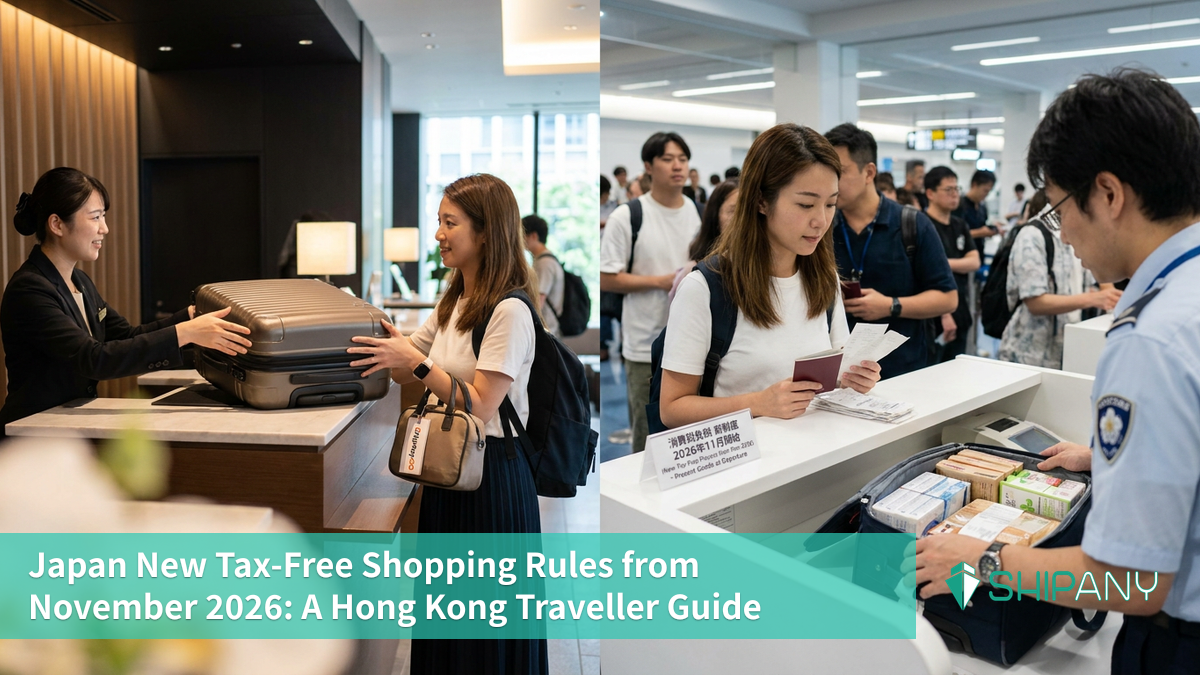
Complete the tax-free customs procedure before checking in baggage that contains your eligible purchases. At departure, use a tax-refund procedure terminal or, where available, the Visit Japan Web process in the designated international departure area. Have your passport ready and follow the result shown: customs may complete the procedure electronically or direct you to an inspection where you must show the goods.
Arrive with enough time for this step before airline check-in and security. Do not put tax-free purchases into checked baggage before customs has confirmed them. If an officer requests an inspection, you need to be able to present the relevant goods; keep them accessible and organised by purchase record. A green result means the procedure is complete, while a red result means you should follow the instruction to attend the customs inspection area.
If your itinerary connects from a domestic Japanese flight to an international flight, check where the outbound customs procedure must be completed. Japan Customs says it must be done at the airport from which you depart Japan. Refund handling can vary by retailer or service provider, so keep receipts and any payment or refund details the shop gives you.
Which items should stay with you for tax-free inspection?
Keep every purchase for which you intend to claim a tax refund with you until the customs procedure is complete. That includes items packed in a suitcase: they should not be checked in before customs has confirmed the goods. Leave enough room in your hand luggage or another accessible bag to present purchases if you are asked.
This matters for a Hong Kong traveller shopping in Tokyo before flying home from Haneda, or travelling from Kyoto to Kansai International Airport. A bulky jacket, boxed gifts or several shopping bags can take up suitcase space, but moving them into a shipment is not a workaround for the refund process. Customs must be able to confirm the eligible purchases are being taken out with you, and the goods are subject to Japan’s programme requirements.
Keep non-shopping belongings separate from tax-free purchases in your travel plan. The distinction is simple: the goods you are claiming a refund for stay with you for departure customs; suitable non-shopping items may be considered for a separate shipment, subject to the service, destination, customs declaration and carrier rules.
How can ShipAnyGO send non-shopping items from your Japan hotel to Hong Kong?
Arrange a ShipAnyGO shipment in advance for suitable non-shopping belongings that you want delivered from your Japan hotel to your home in Hong Kong. For example, you might send clothing you packed for the trip, travel accessories or other personal items that are not tax-free purchases. Confirm the available service, item acceptance rules, hotel handover arrangements and delivery address before you rely on this plan.
Prepare an accurate shipment description and declare the contents truthfully. Check that the hotel will accept or hand over the parcel, confirm any packing or collection requirements, and allow time for the shipment to be processed. Shipping charges, customs requirements, transit times and delivery arrangements depend on the service and the parcel; check the details before booking. ShipAnyGO can help merchants arrange international delivery, but it does not remove the traveller’s responsibility to meet Japanese customs and refund requirements.
Keep shopping purchases out of the ShipAnyGO parcel if you intend to claim a tax refund on them. Do not ask the hotel or a courier to forward those purchases instead of presenting them at departure. Use the parcel for non-shopping items only; keep tax-free goods with you and available for customs. You can review ShipAnyGO for the shipment you have in mind.
How should you plan luggage, hotel handover and departure day?
Plan the trip around two separate flows: your tax-free shopping goes with you to departure customs, and any suitable non-shopping parcel is arranged separately for Hong Kong. Before travelling, check the refund process with the retailer, confirm that your chosen departure airport supports the procedure you plan to use, and review Visit Japan Web requirements if you intend to use it. Keep your passport, receipts and purchases accessible.
Before booking a ShipAnyGO shipment, ask the hotel about parcel collection or handover, confirm the recipient and delivery details in Hong Kong, and check what items can be sent. Leave a buffer before checkout for packing and any required collection. If the hotel cannot support the handover or the timing does not work, make another arrangement rather than assuming a parcel can be collected automatically.
At the airport, complete the tax-free procedure before checking in bags that contain those purchases. Keep the eligible goods accessible until customs has finished, and follow any inspection instructions. ShipAnyGO is there for the separate, non-shopping shipment—not for tax-free shopping purchases or for bypassing the airport refund checks.
FAQ
Do Hong Kong travellers pay consumption tax upfront in Japan from November 2026?
Yes. For eligible tax-free purchases made from 1 November 2026, visitors pay the tax-inclusive price at the shop and seek a refund after completing the required departure customs procedure. Ask the retailer how it handles the refund and keep the purchase records.
Can ShipAnyGO send my Japanese tax-free purchases to Hong Kong?
No. Keep goods for which you intend to claim a Japanese tax refund with you and available for customs confirmation when leaving Japan. ShipAnyGO in this travel plan is for suitable non-shopping items only, subject to service and customs rules.
Can I put tax-free purchases in my checked suitcase before the airport procedure?
Do not check in baggage containing tax-free purchases before customs has confirmed them. Japan’s procedure may require you to present the goods for inspection, so keep them accessible and allow time to complete the process before airline check-in.
Can I use Visit Japan Web for Japan’s tax-free refund procedure?
Visit Japan Web can be used for the tax-free procedure at designated international departure areas at certain Japanese airports, subject to the available setup and connection requirements. Check current official instructions for your departure airport and keep the purchases accessible in case customs asks to inspect them.
Conclusion
From November 2026, treat tax-free shopping in Japan as pay first, then complete customs confirmation at departure to qualify for a refund. Keep those purchases with you and accessible for inspection.
If you want to free up suitcase space, plan ShipAnyGO for suitable non-shopping items separately, and confirm the hotel handover, shipment details and customs requirements before you travel.