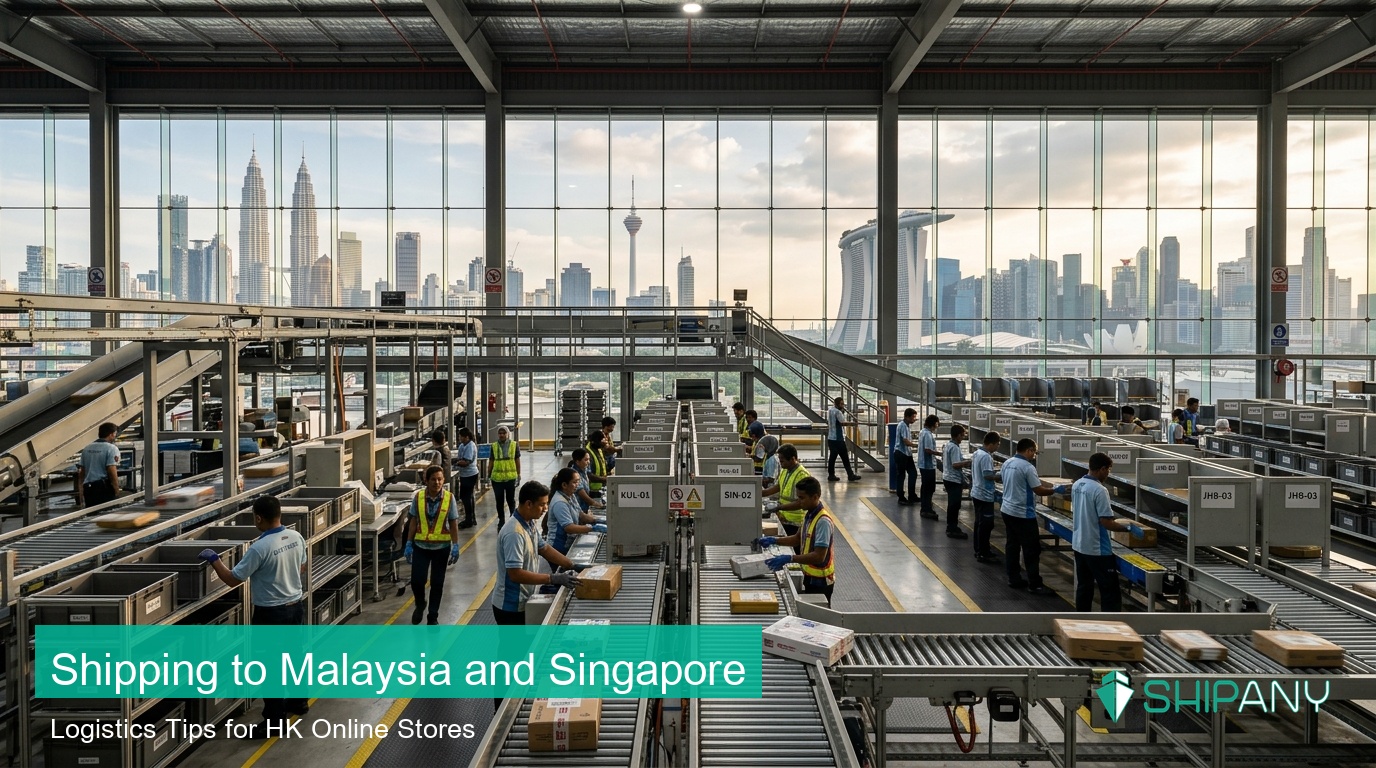
With the rapid growth of the e-commerce market, Hong Kong merchants expanding into Malaysia and Singapore has become a major trend. These markets offer high purchasing power and a strong appetite for Hong Kong products, but cross-border logistics often remains the biggest challenge for sellers.
Why are Malaysia and Singapore the “Gold Mine” for HK Online Stores?
Malaysia and Singapore are not only key trade hubs in Asia, and consumers there place high trust in Hong Kong brands. Especially in fashion, beauty, and premium lifestyle goods, Hong Kong products are highly favored. As digital payments and logistics infrastructure mature, Hong Kong e-commerce merchants can effectively reach these highly engaged consumer groups by mastering cross-border delivery.
Common Logistics Pain Points
Many HK sellers face frustration in their initial attempts at cross-border shipping due to issues like:
- Complex Customs Procedures: Each country has different import inspection regulations; missing documents or vague descriptions can easily lead to seized goods.
- Hidden Shipping Costs: Cross-border logistics often involve extra taxes or handling fees. Without prior calculation, profit margins are drastically compressed.
- Low Transparency: As delivery chains stretch, consumer anxiety over parcel location increases. Without real-time tracking, seller customer service is under immense pressure.
How to Choose a Cross-Border Logistics Partner?
To run cross-border operations stably, choosing the right logistics partner is core. Sellers should check these key criteria:
- Real-time Tracking: A transparent tracking system accessible by both seller and customer.
- Customs Handling Efficiency: Expertise in handling compliance documents for both territories to ensure fast customs clearance.
- Pricing Transparency: Clear shipping cost structures with no unexpected hidden fees.
ShipAny Logistics Solutions
ShipAny provides a one-stop logistics integration platform for Hong Kong online stores. By connecting with multiple carriers, sellers can flexibly choose the most competitive shipping rates and track parcels via a single platform. Through ShipAny E-commerce Delivery Service, you can effectively reduce administrative burdens of coordinating with different carriers, allowing you to focus on your product business.
Tips for Return Management & Customer Service
The ultimate challenge in cross-border logistics is “Return Management.” Sellers should clearly mark return policies on their website and prepare communication flows in the local language to ensure that if size mismatches or product issues occur, customers receive solutions quickly.
Frequently Asked Questions (FAQ)
How long does shipping to Malaysia or Singapore usually take?
Generally, under smooth customs clearance, it takes about 3-7 working days. We recommend reserving sufficient time for festivals or customs schedules.
What are the common prohibited items for cross-border shipping?
Electronics with lithium batteries, flammable liquids, compressed gases, and certain powders are usually air-prohibited. Always consult your courier’s forbidden item guidelines before shipping.
What should I do if goods are damaged in transit?
Insurance is recommended for high-value items. If damage occurs, immediately keep photos of the outer packaging and damaged areas as evidence for insurance claims.
Conclusion
Cross-border logistics is undoubtedly challenging, but through the right digital integration tools, HK sellers can easily cross geographical barriers. ShipAny continues to assist you in optimizing delivery efficiency, helping your products enter the greater Southeast Asian market successfully.