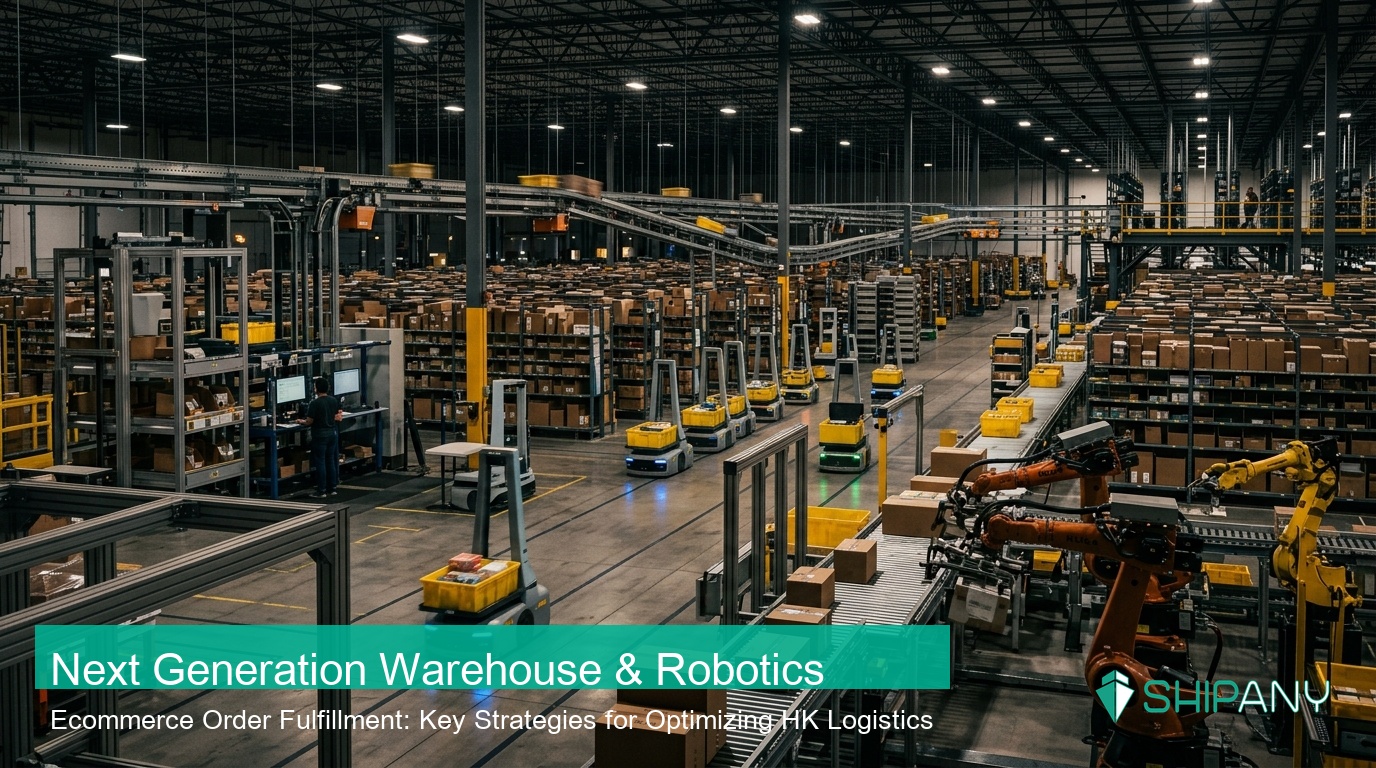
To overcome the challenges of high costs, limited space, and rising customer expectations, Hong Kong online merchants must optimize their order fulfillment processes through warehouse management systems and automated order processing. Outsourcing logistics to professional third-party providers (3PL) offers scalable solutions for handling peak seasons and returns, allowing merchants to focus on brand building and business growth.
1. Current Landscape and Logistics Challenges for HK Ecommerce
In the current Hong Kong ecommerce market, customer expectations regarding delivery speed and service quality are higher than ever. Online merchants face intense competition while juggling logistical challenges such as high operational costs, limited warehouse space, and the need for efficient cross-border fulfillment. Managing these tasks manually often leads to shipment delays and decreased customer satisfaction, particularly as sales volumes increase. To stand out in a crowded market, implementing a highly efficient and automated order fulfillment strategy has become an essential priority for any successful online business.
2. Core Processes of Order Fulfillment and Optimization
Order fulfillment encompasses much more than just packing and shipping. It is a comprehensive process involving inventory management, order processing, picking, packing, and final delivery. Optimizing this lifecycle is essential for scaling:
3. Leveraging Logistics Partners for Speed and Accuracy
Building internal infrastructure for logistics is often cost-prohibitive for SMEs. Partnering with a professional 3PL provider can reduce operational burdens while providing enterprise-level capability:
4. Solutions to Common Logistics Issues
5. Summary: Driving Business Growth through Fulfillment Services
An optimized fulfillment strategy is a key engine for business growth. By outsourcing complex logistics operations to experts, merchants can refocus their energy on marketing strategy, brand building, and product development, setting the stage for sustainable long-term success.
—
Frequently Asked Questions (FAQ)
Q1: Is 3PL fulfillment only for large enterprises?
A: Not at all. Many logistics providers offer flexible, scalable solutions that enable small, growing online stores to reduce costs and improve operational efficiency significantly.
Q2: How can I measure fulfillment efficiency?
A: Key Performance Indicators (KPIs) include “Order Processing Time,” “Logistics Accuracy,” “Returns Processing Duration,” and “Delivery Delay Rates.”
Q3: How can my shop prevent delivery delays during peak shipping seasons?
A: Plan demand volume with your logistics partner well in advance, ensure optimal stock levels, and proactively communicate any potential delivery adjustments to customers.