
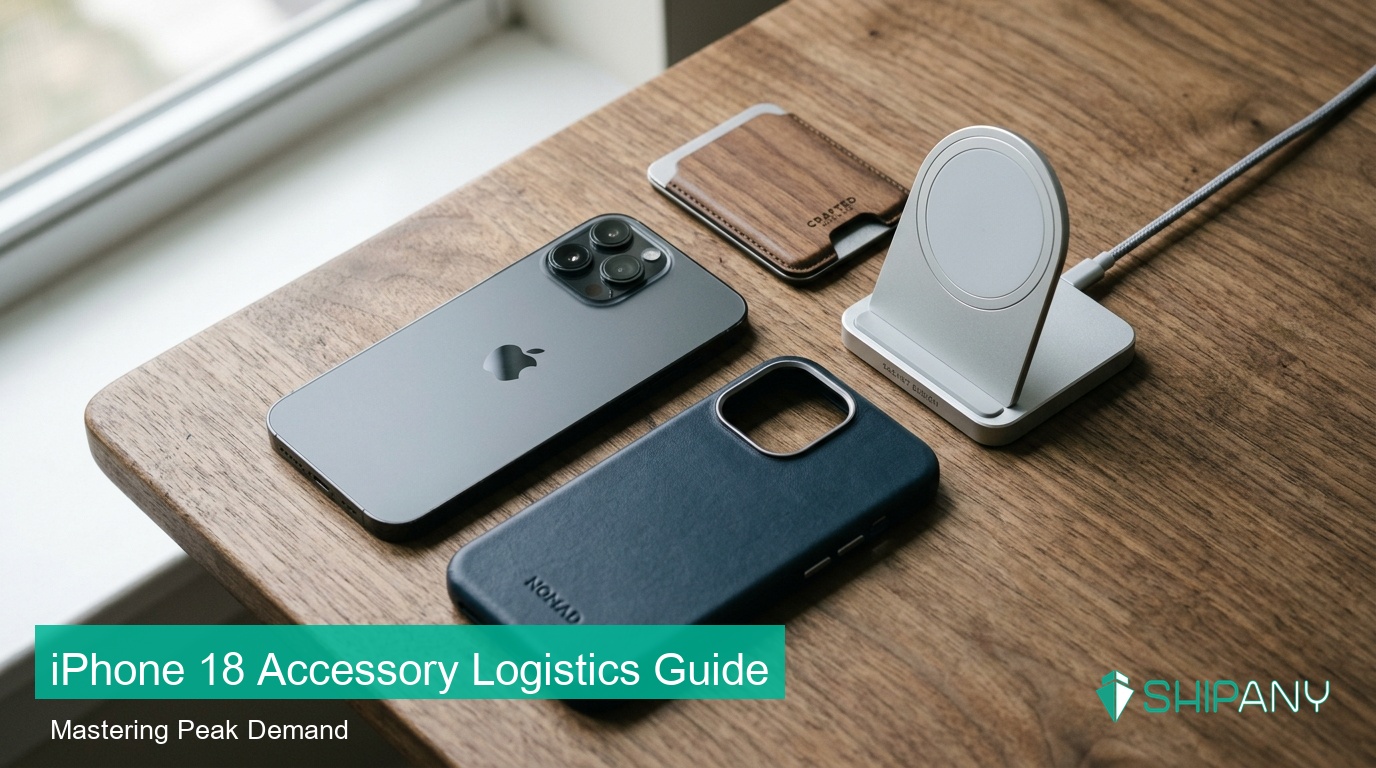
The iPhone 18 series is almost here. For accessory merchants operating across international markets, this launch represents both a massive high-profit opportunity and a significant stress test for fulfillment operations. Based on historical data from previous iPhone launches, accessory demand spikes exponentially within the first few weeks. Relying on inefficient, manual fulfillment processes during this period will inevitably lead to shipping bottlenecks, customer frustration, and potential brand damage.
This guide provides a comprehensive strategy for managing logistics during the iPhone 18 surge, specifically optimized for international e-commerce retailers. We will analyze the core logistical pain points and provide a roadmap for building a scalable, automated fulfillment infrastructure that maintains a high standard of delivery efficiency, regardless of regional market variations. In today’s competitive e-commerce landscape, delivery speed is directly linked to customer satisfaction—only through precise operational deployment can you turn logistics into a brand differentiator.
The Operational Challenges of the iPhone 18 Launch
Each iPhone launch brings a surge in consumer impulse buying. While these accessories—such as cases, screen protectors, and chargers—are high-margin, they are also sensitive to logistical delays. Merchants relying on legacy, manual warehouse processes often face three critical operational failures during the launch window:
- Picking Bottlenecks: Accessory catalogs are dense with SKU variations (phone models, colors, materials). Under peak volumes, manual picking leads to higher error rates, resulting in incorrect shipments that destroy margins through reverse logistics and negative reviews.
- Fulfillment Congestion: Relying on a single logistics provider is a risk. During peak periods, provider capacity is often saturated, and retailers without diversified shipping lanes suffer from massive delays.
- Escalating Costs: Failing to plan fulfillment lanes ahead of time often forces retailers to choose expensive, last-minute expedited international shipping. These hidden costs severely erode the profit margins of individual accessory units, potentially turning a successful sales event into a net-loss operation.
International Logistics: Optimizing the Fulfillment Architecture
For retailers operating across diverse international markets, a sophisticated logistics architecture is required to manage regional nuances.
1. Unified Fulfillment Systems & Data Integration
The foundation of a high-performance logistics model is the integration between your sales channels (like Shopify, WooCommerce, or Magento) and your warehouse/courier partners. You must ensure that inventory data, order statuses, and tracking numbers are synchronized in real-time. This eliminates manual data entry, prevents over-selling during the launch spike, and provides customers with the transparency they expect in modern e-commerce.
2. Multi-Tiered Shipping & Route Optimization
Never rely on a single carrier. Implement a hybrid shipping model: use premium international couriers for high-value items to guarantee speed and service quality, while utilizing cost-effective regional logistics services for standard items. By diversifying your carrier mix, you minimize the risk of fulfillment failures if a single carrier faces delays or operational shutdowns during the peak launch season.
Peak Management Strategy: Scalability and Precision
To succeed in the iPhone 18 accessories market, you must treat peak period preparation as a business-as-usual process.
1. Digitized Warehousing and Inventory Management
Before the launch, every SKU must be barcoded and managed within a professional Warehouse Management System (WMS). Real-time inventory tracking ensures that warehouse staff can locate items precisely, reducing the time per pick and driving error rates toward zero. This is critical when order volumes scale rapidly.
2. Pre-packaging and Standardized Fulfillment
Standardized items, like iPhone cases, are ideal for pre-fulfillment. Perform the majority of packaging (e.g., placing the item into protective buffers or branded retail boxes) before the launch. On launch day, your team only needs to apply the shipping label and scan for dispatch. This process optimization can save over 60% of processing time during the peak window, freeing your team to handle customer service and complex order adjustments.
Reverse Logistics: Protecting Profitability
High launch volumes inevitably lead to higher return rates due to order mistakes, color preferences, or impulse purchase remorse. A disorganized return process is a warehouse killer. You must establish a dedicated “Quality Check Zone” where returned items are inspected, cleaned, and re-packed immediately. Efficient reverse logistics protect your bottom line by maintaining inventory liquidity, ensuring that returned items can be sold again during the peak launch window rather than sitting idle in a corner of your warehouse.
FAQ
How can I avoid shipping congestion during the iPhone 18 peak?
Use the “Pre-package + Auto-labeling” strategy. Finalize your packaging workflows before the launch and ensure your shipping software is fully stress-tested to handle the expected surge.
Which logistics combination works best for international retailers?
Use premium couriers for high-value items to maintain brand reputation, and balance this with cost-effective, specialized regional carriers to maximize margins on mass-market accessories.
Why is a systematic logistics architecture necessary?
It eliminates the waste generated by manual interface management. It allows you to scale fulfillment without needing to constantly re-engineer your technical stack as you enter new markets or manage launch-day spikes.
How should I manage high return rates during the launch?
Standardize your inspection and re-stocking workflows. Combine this with a fast, transparent refund policy to maintain customer loyalty and protect your brand’s reputation for service excellence.
Conclusion
The iPhone 18 launch is more than a sales spike; it is a test of your brand’s operational excellence. By investing in digitized warehousing and an automated logistics architecture, you can minimize complexity, protect your margins, and maximize your sales potential. Start planning your fulfillment strategy now to ensure this launch becomes your most successful operational milestone to date.